Excerpt from Tent Life – A Beginner’s Guide to Camping and a Life Outdoors, by Doron Francis.
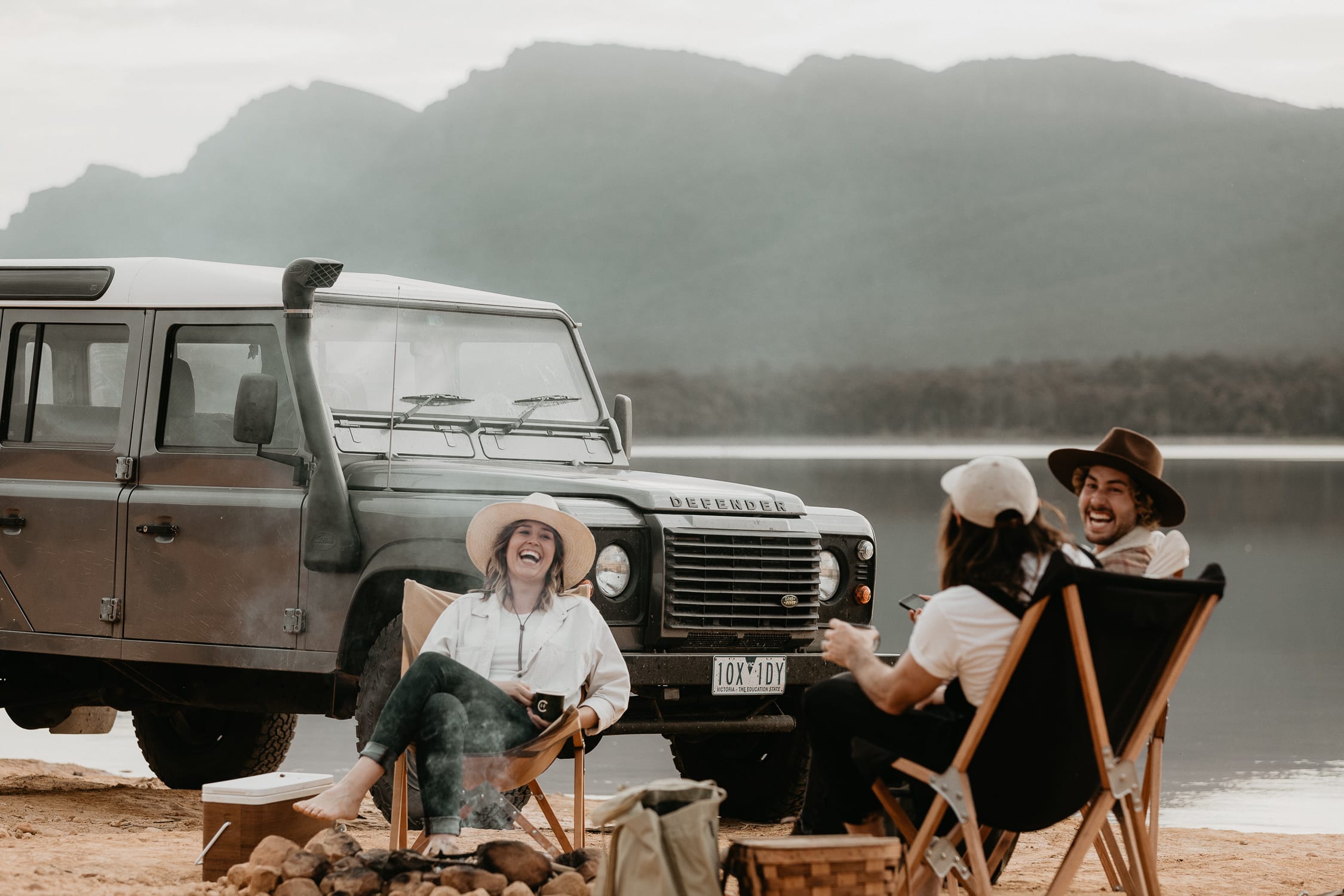
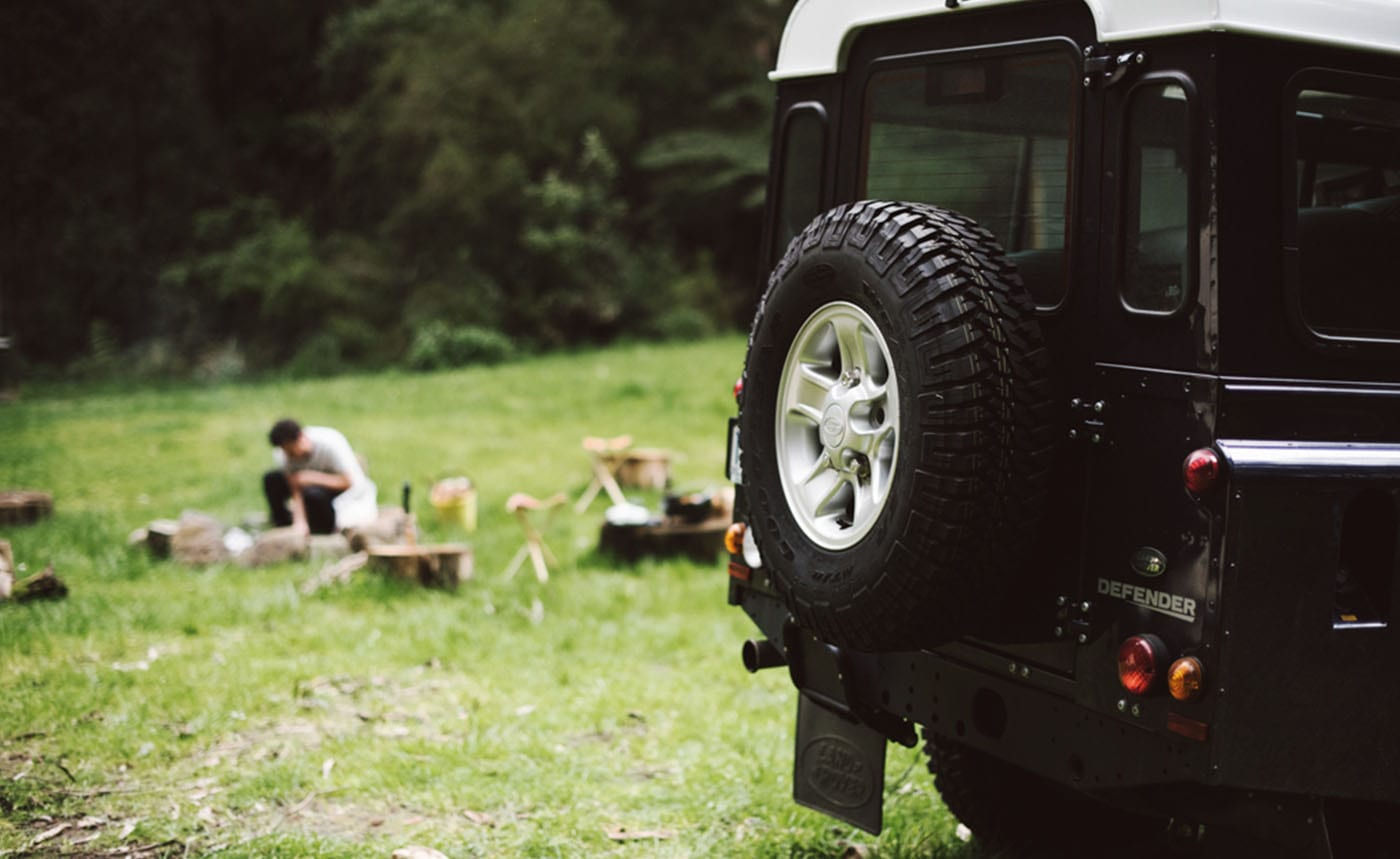
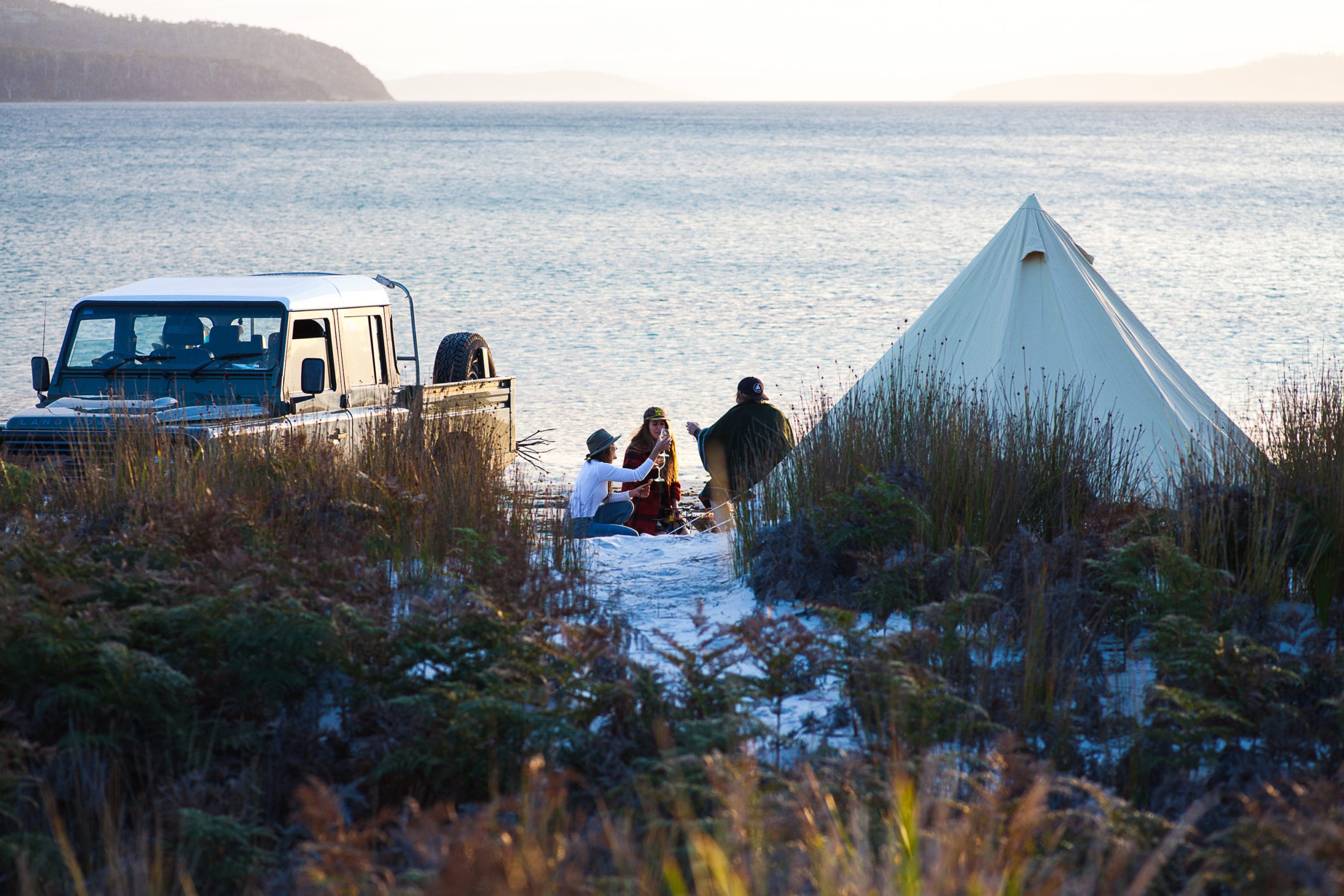
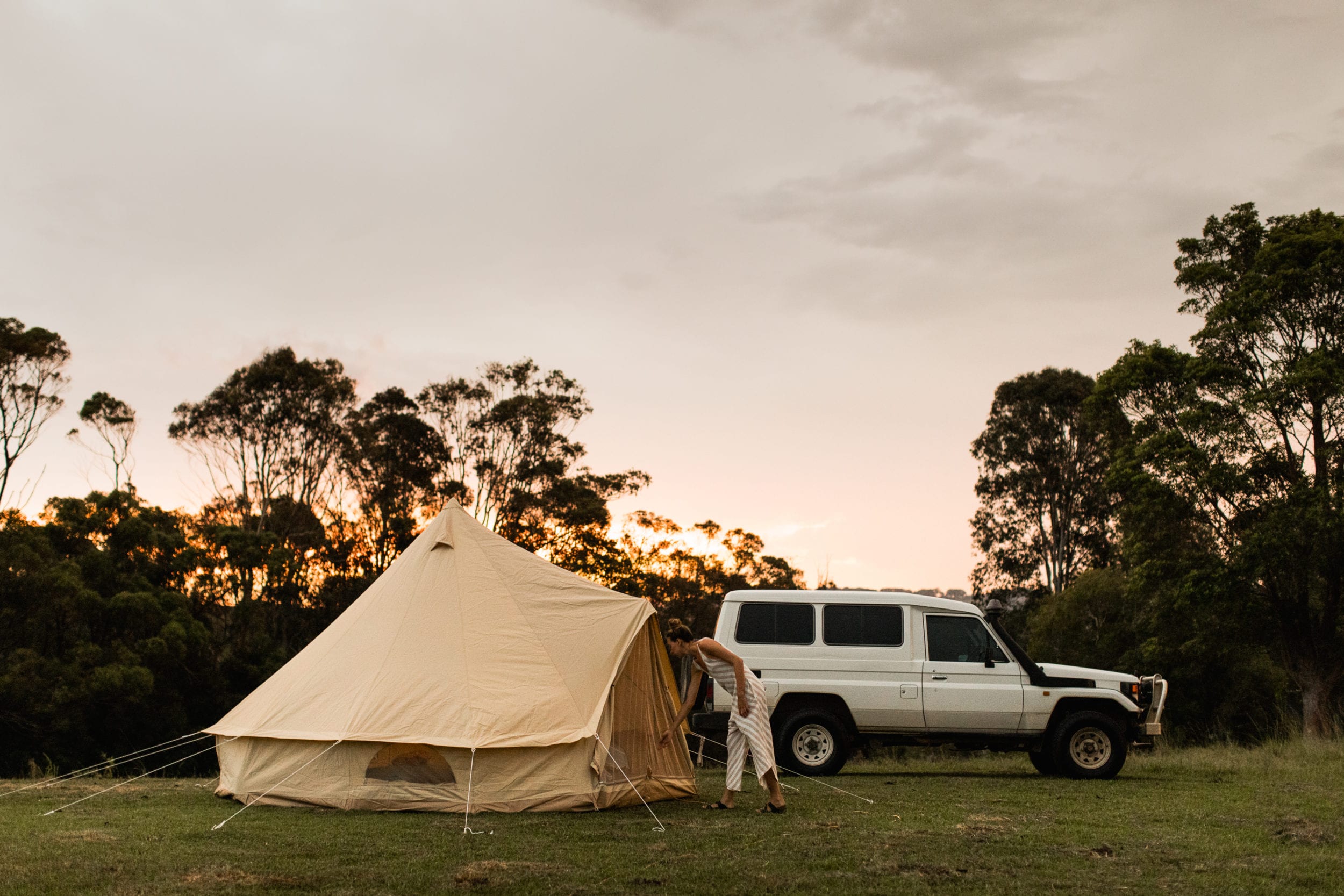
Lightweight camping is great, but there’s nothing like a camp out in nature with a few home comforts to make it that much more enjoyable. For this reason, I think one of the best ways to start your camping career is by car camping.
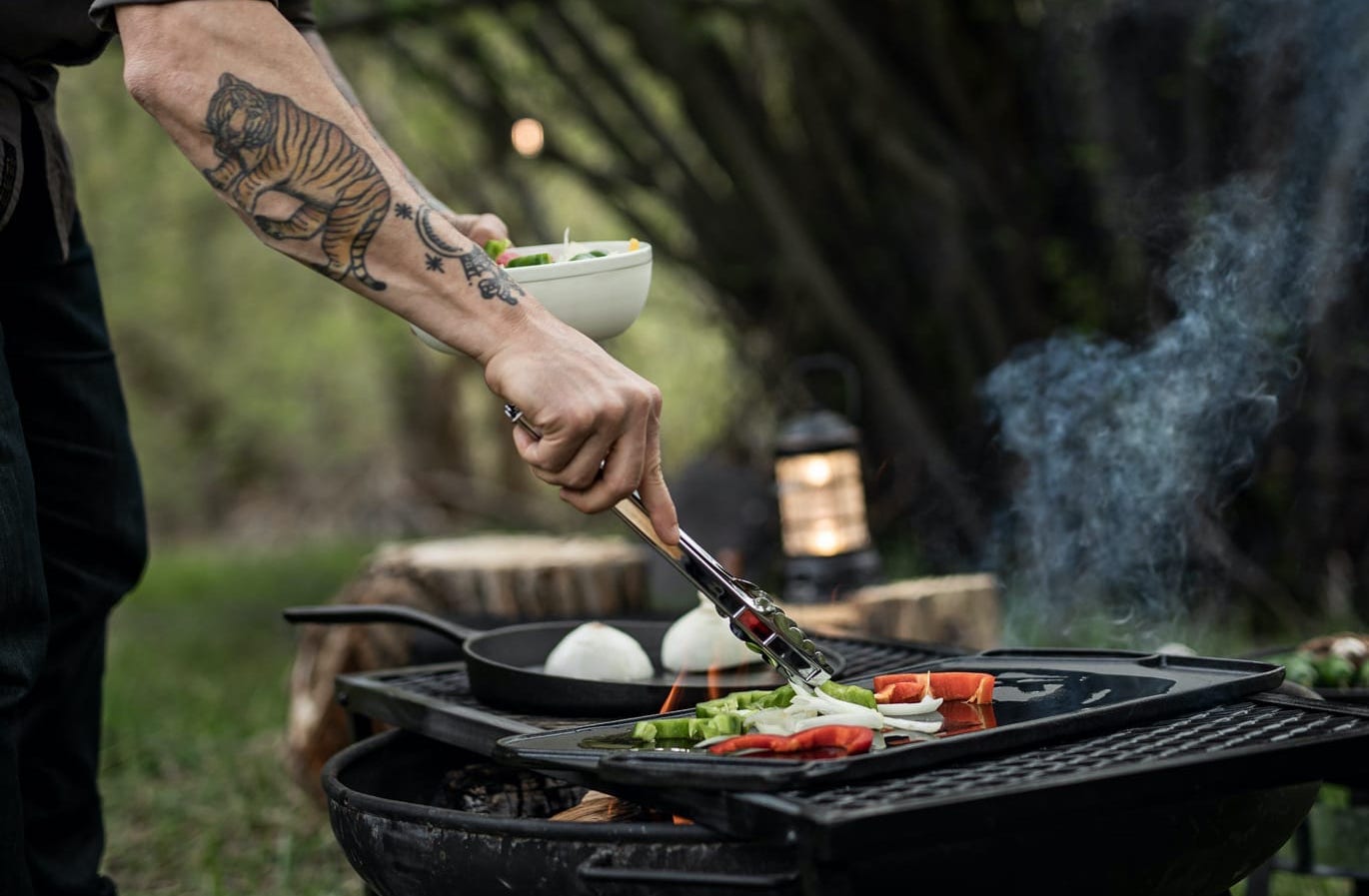
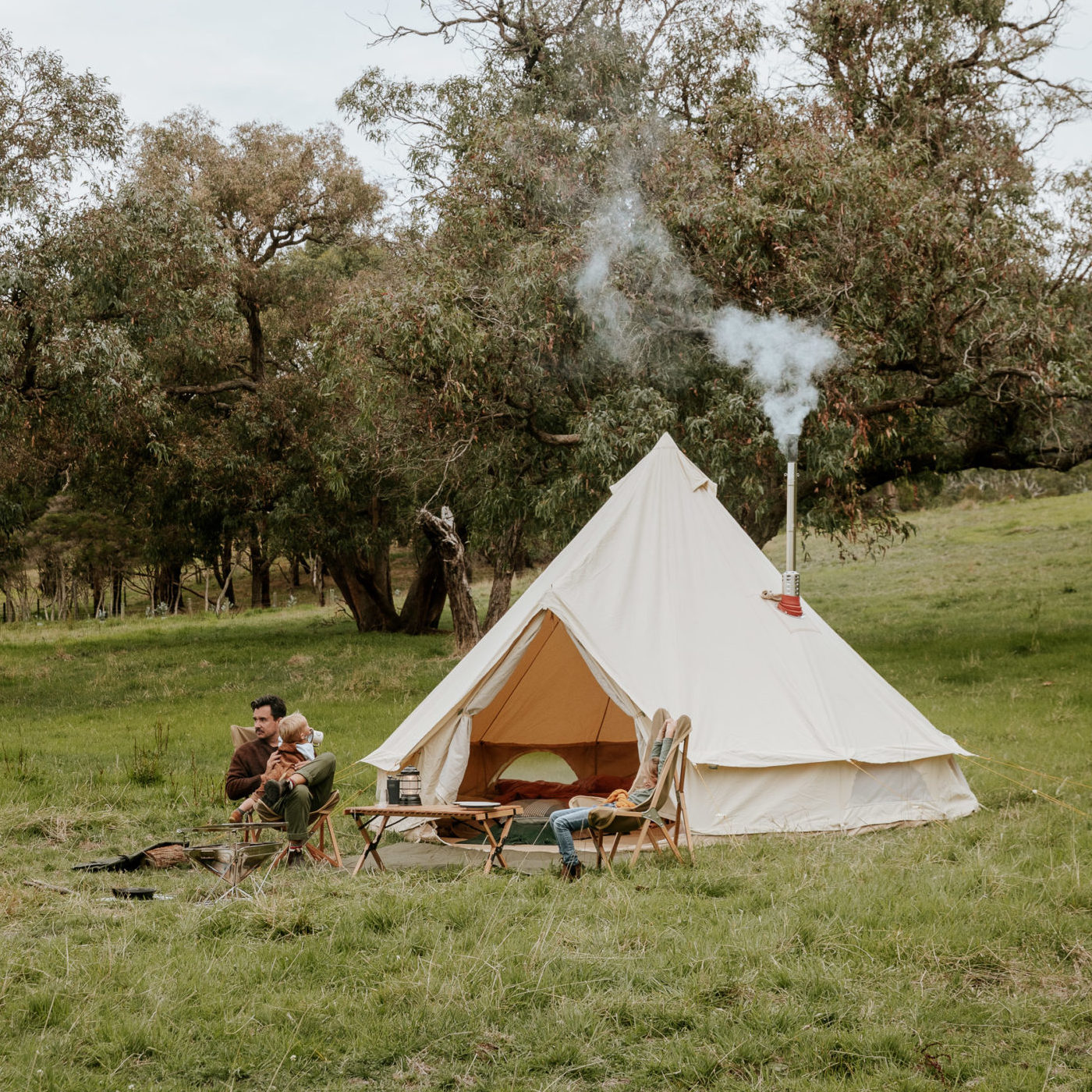
One of the many joys of camping with transport – whether that’s a 4WD set-up, campervan or a standard car – is that it lets you set up a fully functional and comfortable campsite. It encourages you to stay awhile and tune in to your surroundings. It also allows you to take along items you would never consider on a lightweight adventure: a larger tent, comfortable mattress, cooler, camp kitchen, cast-iron cooking gear, maybe even that camp shower!
The only limit is your vehicle’s storage capacity. Safety is the priority, of course.
With car camping, you can usually drive right to your campsite, unload and set up your camp with everything on hand. This is a great way to camp for families, and means that you have fewer restrictions on weight and size. So you can bring a bigger tent and those toys your kids simply have to have. Having a vehicle on hand means you can visit surrounding landmarks, parks and walks. You can also drive to he nearest town for supplies (or a cooked meal, if you must!).
PREPARING FOR YOUR TRIP
Get to know your gear before heading off. Set up your tent at least once before departing and note the best way to pack and unpack it. Make sure that you have your poles, pegs and mallet – it’s often best to have these in a separate bag, rather than rolled inside a tent where you can’t see them.
Check all gear that has been in storage to make sure everything is there, batteries are charged and there are no missing parts. Pay special attention to crucial gear like your first-aid kit. Test your stove and lighting before you leave. Make sure you have backup fuel and batteries for your devices.
FOOD
Plan your meals in advance and, if possible, prep as much food as you can beforehand. Simply add up your breakfasts, lunches and dinners, write a menu, then plan your shopping around it. Add in extra dried goods – like rice, beans and pasta – plus some cans of baked beans, spaghetti, tomatoes and tuna so that you have extra, just in case. I like to have pre-cooked meals like curries or stews on hand. These are perfect for the first night when it’s generally quite hectic and you’ll want to have something quick and easy. From there you’ll have a bit more time for that juicy steak or roast you’ve been planning.
Taking whole foods – like vegetables, fruits and cured meats – reduces the load in your cool box. Apples and oranges travel well. And I generally take a lot of root vegetables – potatoes, onions, carrots, squash, artichokes and parsnips – and thick-skinned varieties of zucchini, eggplant and cucumbers that will last well in most conditions. Who doesn’t love roast jacket potatoes cooked on a campfire?
Ingredients or premixes for simple camp bread – bannock bread, damper and pancakes – are quick and easy to make and always go down well. Oats are a popular alternative to eggs for brekky.
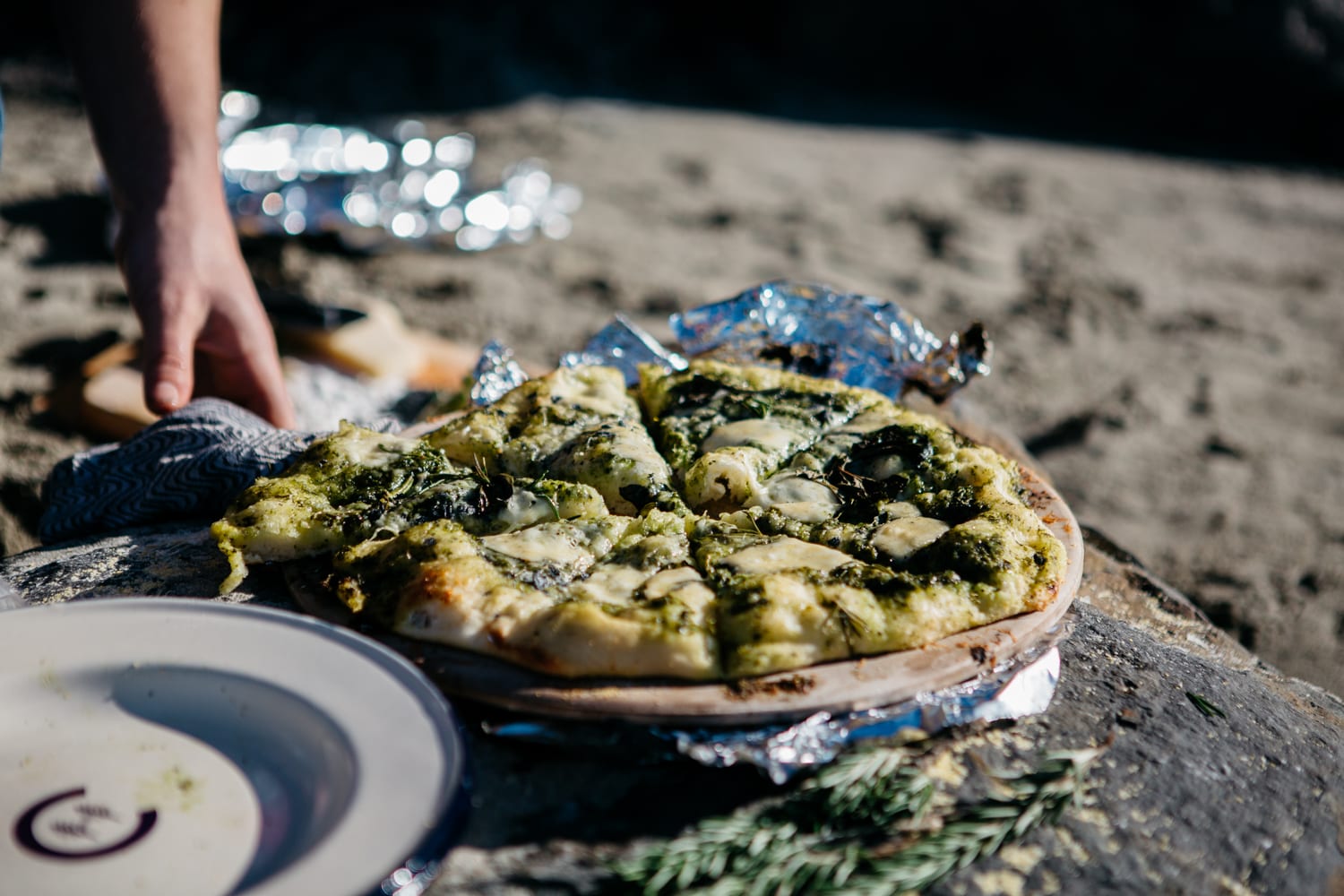
Flat breads, like corn tortillas or other unleavened wraps, fried with cheese and whatever stuffings you prefer, are handy quick meals around camp. They’re easy to transport and have a decent shelf life.
Cured meats, smoked fish and hard cheese are a great source of protein and a favourite that can be laid out at short notice to feed the team. Chorizo, cured bacon, sausages and fresh eggs are a must for your camping breakfast. Nothing beats campfire bacon and eggs out in the bush.
Butter, oils and condiments can be packed into small containers or mini travel bottles. Tiny sealable stainless steel containers are perfect for salt, pepper and other spices.
Dehydrated or freeze-dry packet meals have come a long way and some are actually really good. On a long trip (anything more than a week) I take a small bucket with a dozen meals. I rarely use them but they’re handy to have on hand for an emergency, and are good for taking on hikes. They last a few years.
Don’t forget chocolate or something sweet. This will always go down well around a campfire as an after dinner treat.
Pack food into resealable ziplock bags or sealed containers. Even better, use a vacuum sealer (a worthwhile investment in my opinion). Pack dry food into smaller containers that will fit snugly into larger tubs. Put everything that needs to stay cool in a cooler – make sure you have enough ice bricks ready before you set off. It’s a good idea to pack things in the cooler in the order you’ll need them, and keep an extra cool bag on hand for refreshing beverages!
GEAR CHECKLIST
‘A place for everything and everything in its place.’
– origin unknown
Create or download a checklist of the essentials and non- essentials that you want to take. Make sure it’s tickable! Be honest with yourself about what you really need to take. Non-essentials should be reduced as much as possible. Prioritise items that have more than one use.
Give yourself plenty of time to pack. Preferably do it at least the day before, as trying to get kit together in a rush will lead to stress and potential failure.
Lay everything out in one place and group the items together in their logical categories before putting them into their tubs or bags. Once you have all your gear and luggage together, move this near to the rear of your vehicle before you start loading in.
PACKING YOUR VEHICLE
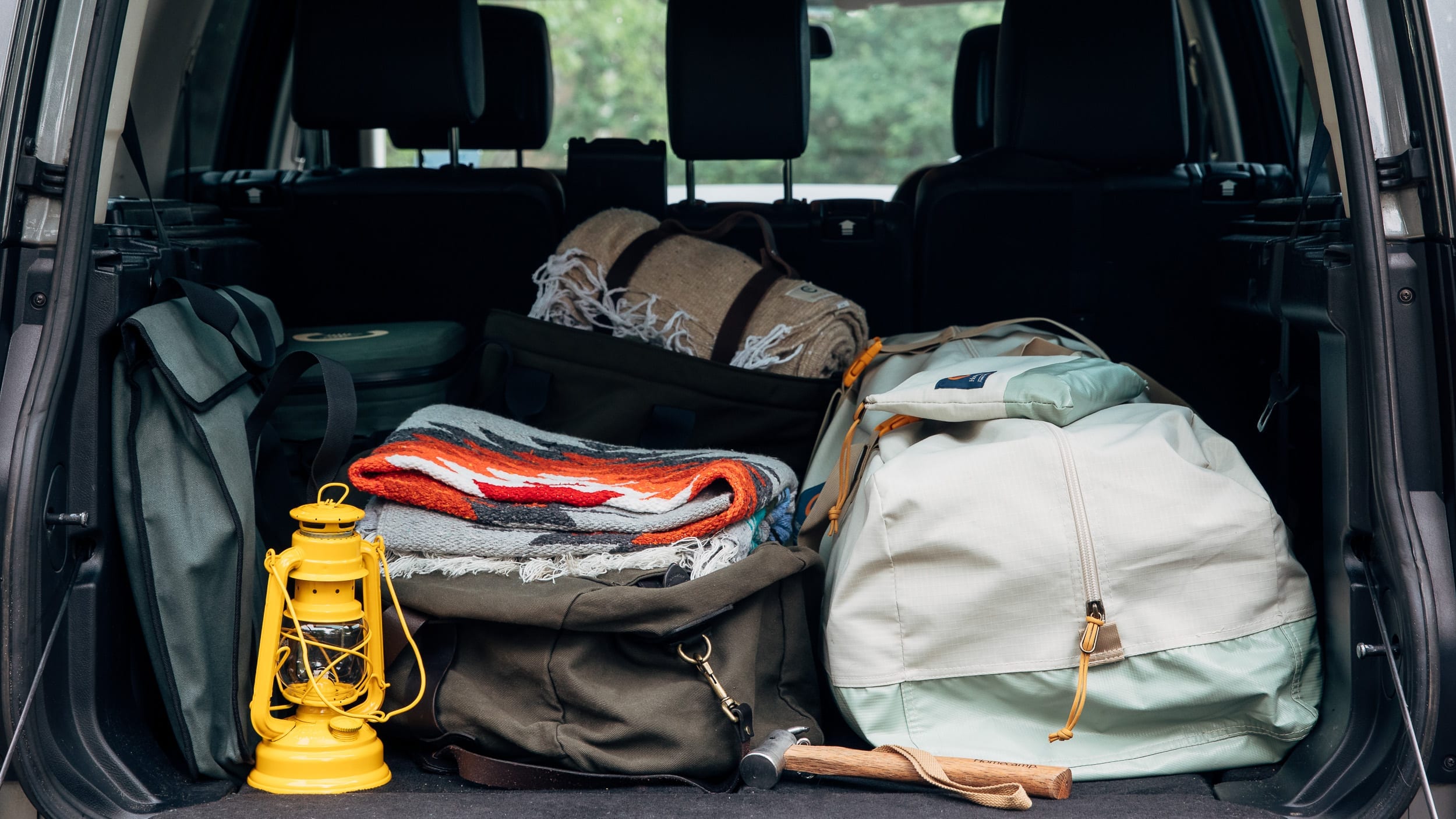
Don’t be tempted to randomly throw everything into your vehicle. Think about the order in which you’ll want to use various items. The first gear packed should be the gear that you need last and vice versa. If you’re planning to arrive at camp fairly late then it makes sense to have your tent easily accessible as you might need to set this up before dark or if inclement weather comes rolling in. You’ll be looking to maximise all space but still remain safe, so load your vehicle with heavier tubs spread evenly so that you’re not overloading specific areas.
Pack your vehicle systematically with flat heavy boxes first and layers of lighter gear, like bags and bedding, on top. Use the vehicle floor space for bags and fill any holes with sleeping bags and soft items. Items that you’ll need to access easily should be on hand. Take a spare set of car keys, extra torch (flashlight), fire-starting kit and waterproof jacket and keep them somewhere safe and easy to access, like your glove compartment. Double- check that you’ll have easy access to your first-aid kit at all times.
ROOF RACK SYSTEMS
There are literally hundreds of roof rack systems ranging from basic bars to elaborate platforms, or trays that are designed with campers in mind and have clever modular systems and channels for stowing specific items. At the very least, even if you have a small sedan vehicle, you could inexpensively fit a cargo box or bag that will give you much-needed extra storage space.
If you’re packing onto a roof rack system, you need to be conscious of how much weight you have on top. The less weight the better as it can severely affect your vehicle’s centre of gravity. Your vehicle manufacturer will have a maximum roof load rating and you’ll need to consider how much you’re adding to your roof, including the roof rack system itself. Most 4WDs can handle 100–200kg (220–440lb). This is why aluminium is the best choice for roof rack systems as it’s light and strong. Each component of your roof storage system will also have a maximum rating, so be conscious of this.
Learning how to use ratchets (cargo-securing straps with a lock) and tie downs makes the roof a secure place to transport bulky items, such as swags, sleeping pads, tables and tents. Cage or basket-style platforms offer plenty of places to tie down. Add to this a large roof bag that can be attached using ratchet and cable (zip) ties and you can stow away a lot of gear with minimal struggle.
Most 4WDs have more weight towards the rear axle and less towards the front. If you add a full cargo bay, your vehicle can easily become overloaded. So aim to offset the weight by packing more weight towards the front on your roof rack system.
You’ll often see fuel, portable toilets and LPG gas bottles on top of roof racks. This is because they are either unsafe to pack inside your 4WD, or they smell!
STAY SAFE
Packing your vehicle safely is an absolute priority. Ensure that heavy items won’t be a risk to yourself or passengers in the event of an accident. Often cargo bays and car boots will have D rings and anchor points for ties downs so that you can secure tubs and heavy items with strapping.
If you have an SUV or 4WD with a cargo bay I strongly recommend a cargo barrier that separates the cargo back from the passenger seats and is designed to stop your gear flying forward if you’re in an accident. Cargo barriers will usually be made from steel mesh (a bit like a cage), so you can use tie downs to anchor your storage tubs and heavy equipment to the barrier.
Weight can negatively affect your vehicle’s handling performance and tyre usage as well as fuel consumption, so understanding how best to distribute weight is key. All cars will have a maximum weight when fully loaded. This will include the weight of the car, fuel, your gear and your passengers. It’s known as Gross Vehicle Weight (GVW) or Gross Vehicle Mass (GVM). You can find your car’s figure in the owner’s manual or online (forums are a good place to look). If in doubt, you can weigh your loaded vehicle at the nearest public weighbridge.
Ideally, you should pack your vehicle so that you’re still able to see out of your rear-view mirror. If your sight is restricted you can use your side mirrors, but make sure they’re set properly.
Excerpt from Tent Life – A Beginner’s Guide to Camping and a Life Outdoors, by Doron Francis.