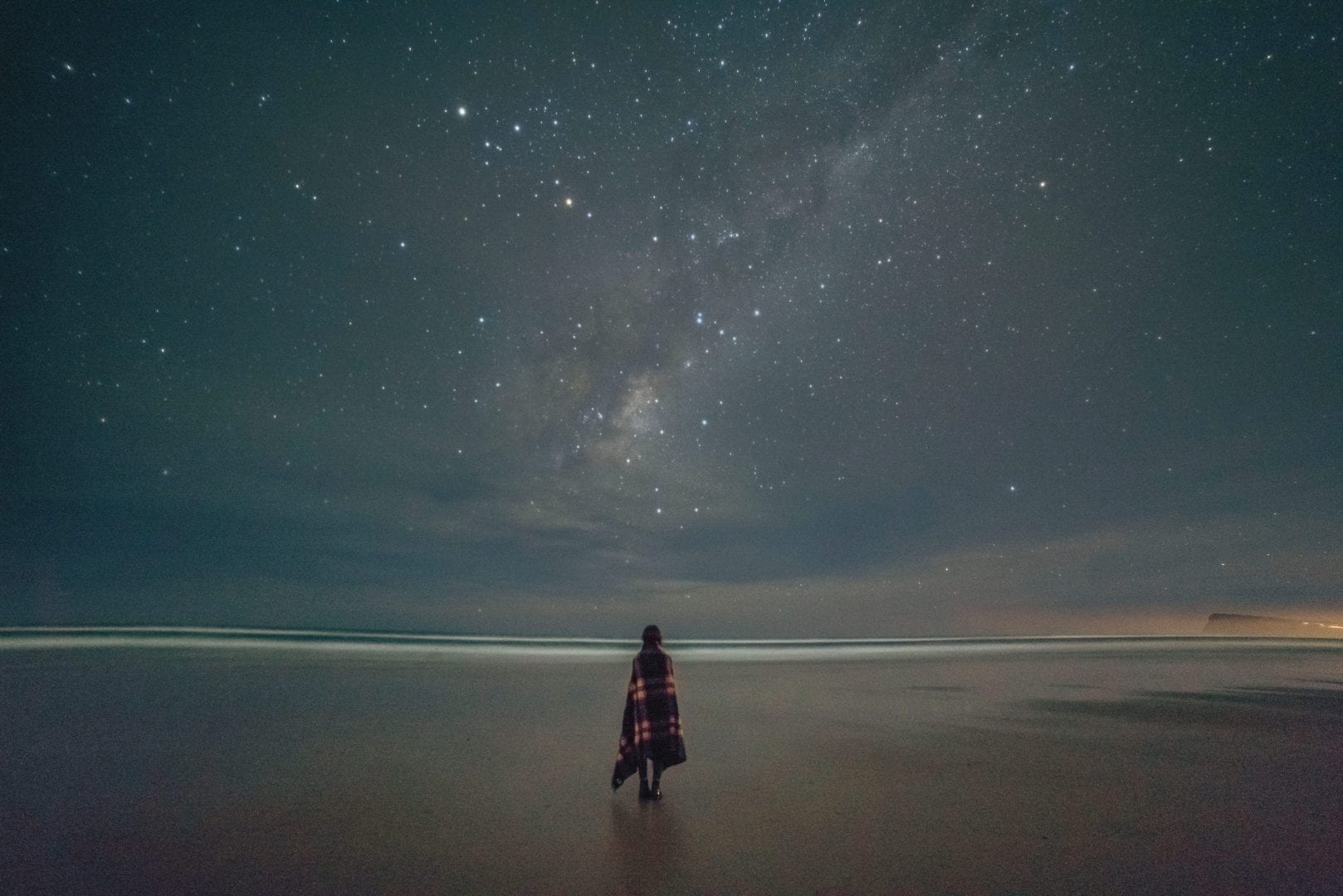
The moon is a cold, dry orb studded with craters and strewn with rocks and dust. Its gravitational pull on Earth creates and controls the ocean tides, and it has long held humankind in its dreamy clutches. We mark time by watching its cycles and phases, and even use it for simple navigation.
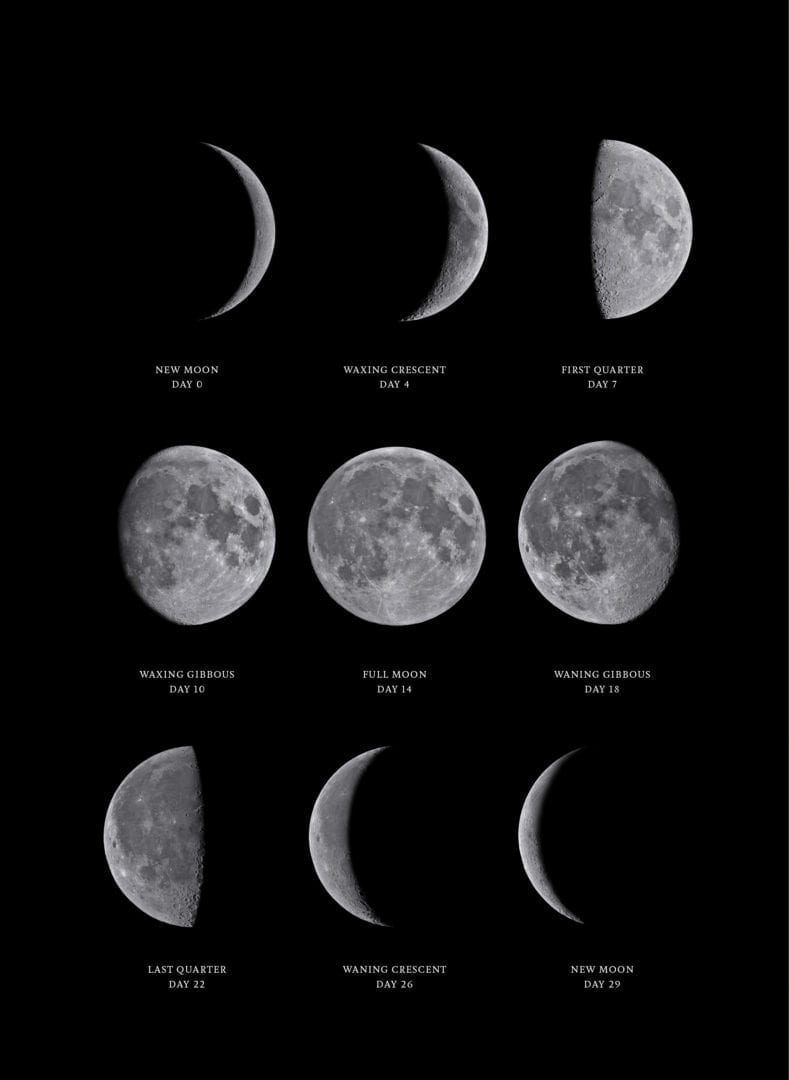
The moon is the Earth’s only satellite. As it circles the Earth, its shape appears to change. Of course, it is not actually changing – this is just how it appears to the human eye, as the moon appears to be different shapes depending on illumination from the sun, and on where the Earth, sun and moon are located in relation to each other. The changing shapes of the moon are called phases. The moon moves through eight phases in a cycle that lasts 29.5 days; the same amount of time it takes for the Earth to move around the sun.
Waxing moon
The term ‘waxing’ describes the moon when its illuminated area is increasing. The moon is waxing any time after a new moon and before the full moon.
Waning moon
The term ‘waning’ describes the moon when its illuminated area is decreasing. The moon is waning any time after a full moon and before the new moon.
Crescent moon
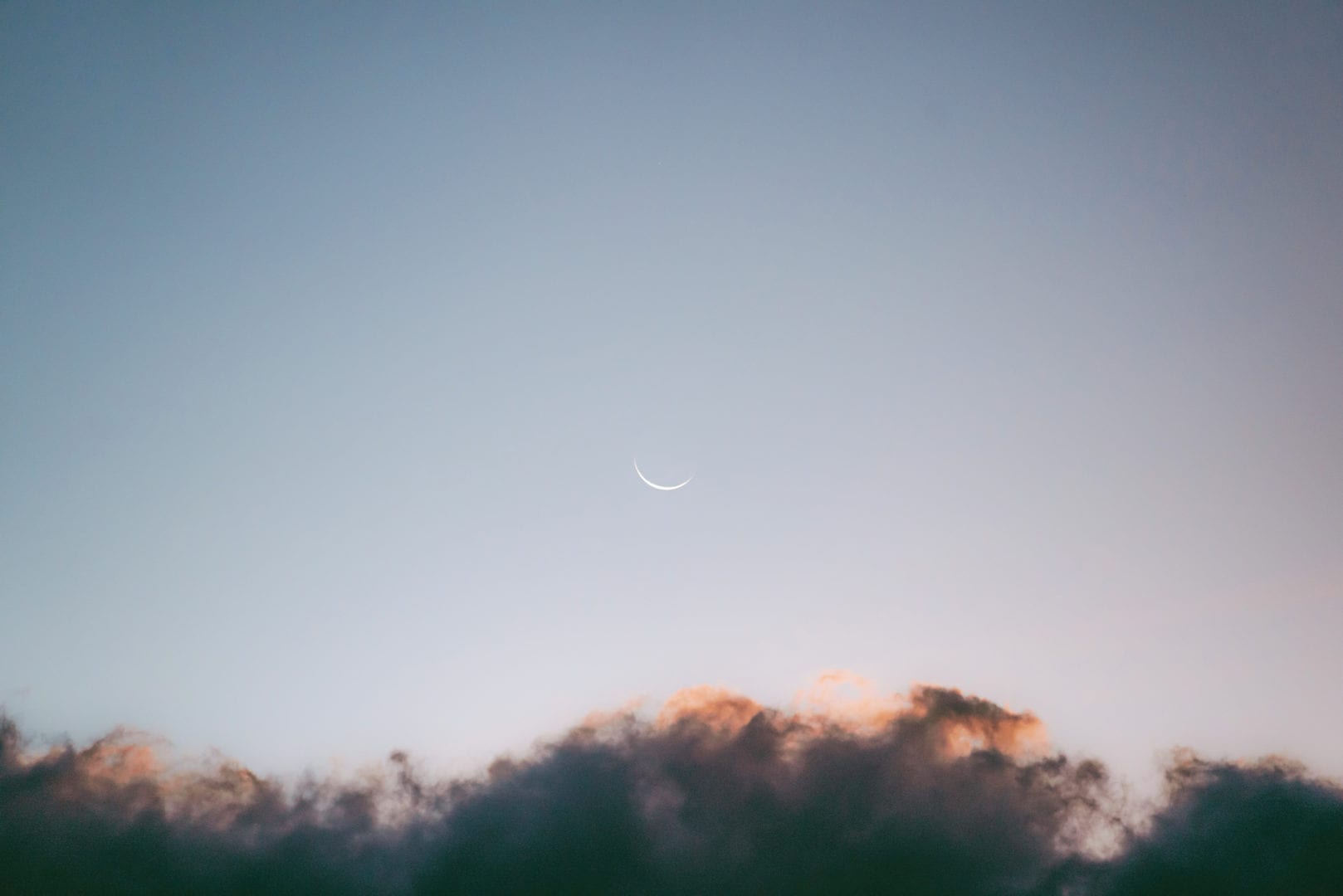
The term ‘crescent’ is applied to the moon whenever part, but less than half, of its face is illuminated. It sits in the shape of a curved sliver – or crescent, hence the name.
Gibbous moon
When the moon appears more than half lit but
less than full is a gibbous moon. The word gibbous comes from a root word that means hump-backed, and reflects the shape of the moon at this time.
How to navigate using the moon
Navigating by the moon can be a tricky and inexact business, but one quick, simple and easy-to- remember way to get your general bearings is the ‘crescent method’. As its name indicates, this moon navigation method can only really be practiced around the time of a waxing or waning crescent moon. It’s also best done when the moon is high in the sky and not too near the horizon, as the higher the moon is in the sky, the more accurate your reading will be.
To try the method, locate the moon in the sky. Then draw a line in your mind’s eye connecting the points (or horns) of the crescent moon, and then extend this line down to the horizon. In the northern hemisphere, the crescent moon method gives an approximate indication of south, and in the southern hemisphere, it gives an approximate indication of north.
Throughout history, the stars that light up our night skies have been watched and studied by astronomers, and featured in many a myth and legend. Learning to recognise and navigate by the stars is an awe-inspiring and ancient science still practised today by sailors, and you can learn the basics.
You can gaze at the sky for five or 10 minutes and nothing much will happen. But if you sped the night up and watched the sky in fast motion, you’d see plenty of action. You’d see the stars moving across the sky as one. The Earth spins from west to east, so everything in the sky comes into view as we spin towards it and leaves our view as we spin away from it.
To get started with star gazing, wait for the next clear night. Then, choose a location away from streetlights, and take 10–15 minutes to let your eyes adjust to the dark.
Understanding the night sky
Star gazers think about stars as individuals, as asterisms and as constellations.
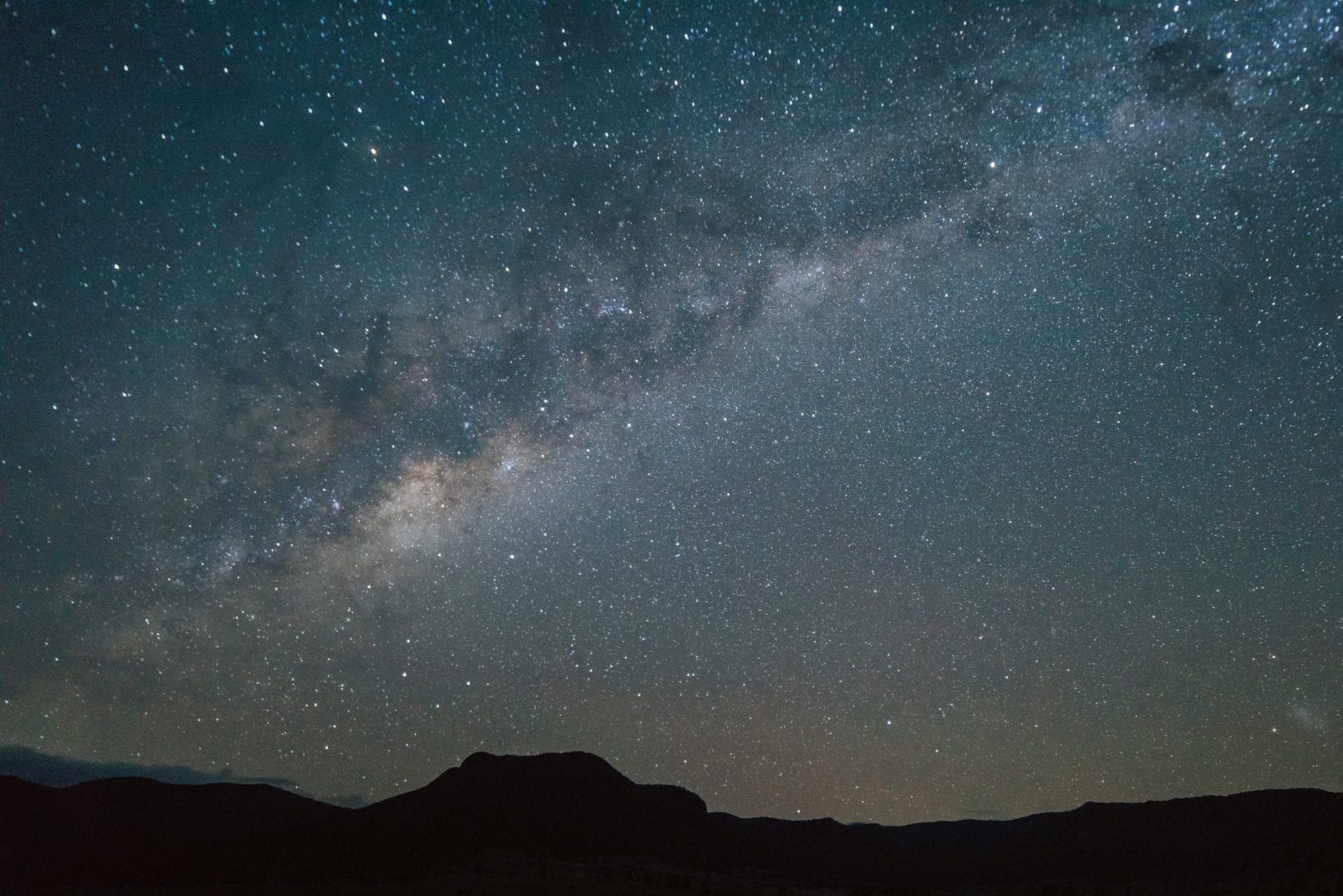
A star is a luminous sphere of plasma (one of the four fundamental states of matter) held together by its own gravity. The brightest stars have been given proper names. The nearest star to the Earth is the sun. Many others – mostly in the Milky Way galaxy – are visible at night.
An asterism is a recognisable pattern of stars grouped together in a connect-the-dots and stick- figure kind of way. The list of asterisms widely accepted in the Western world can be traced back to Greco-Roman astronomer Claudius Ptolemy, who lived around 1800 years ago. One of the best- known is the Big Dipper, or Plough.
A constellation is a grouping of prominent stars into an area of the celestial sphere, like Andromeda, Perseus and Scorpio. There are 88 officially recognised constellations.
Simple navigation in the northern hemisphere
Polaris, or the North Star, is the one star in the northern night sky that does not appear to move. It sits directly over the North Pole, so once you’ve found it, you’ll always know where north is.
To find the North Star, find the Big Dipper. This group of seven stars is shaped like a saucepan. Three of the stars are in the handle, and four form the pan itself. Next, imagine a line connecting the two stars that form the outer edge of the pan. Continue this line off to the upper right; the first bright star you come to is Polaris, the North Star.
Simple navigation in the southern hemisphere
There is no bright star in the southern sky that can be used to locate due south. Instead, the Southern Cross is used to find the South Celestial Pole.
The Southern Cross is a compact group of bright stars close together in the sky, with two pointer stars always pointing to them from the lower left.
Once you’ve located the Southern Cross, find the two pointers. Then, use your mind’s eye to draw a line perpendicular to the line joining the two pointer stars. The South Celestial Pole is located where that line meets the line formed by the two most widely separated stars in the Southern Cross. From the pole drop a line straight down to the horizon – that’s south.