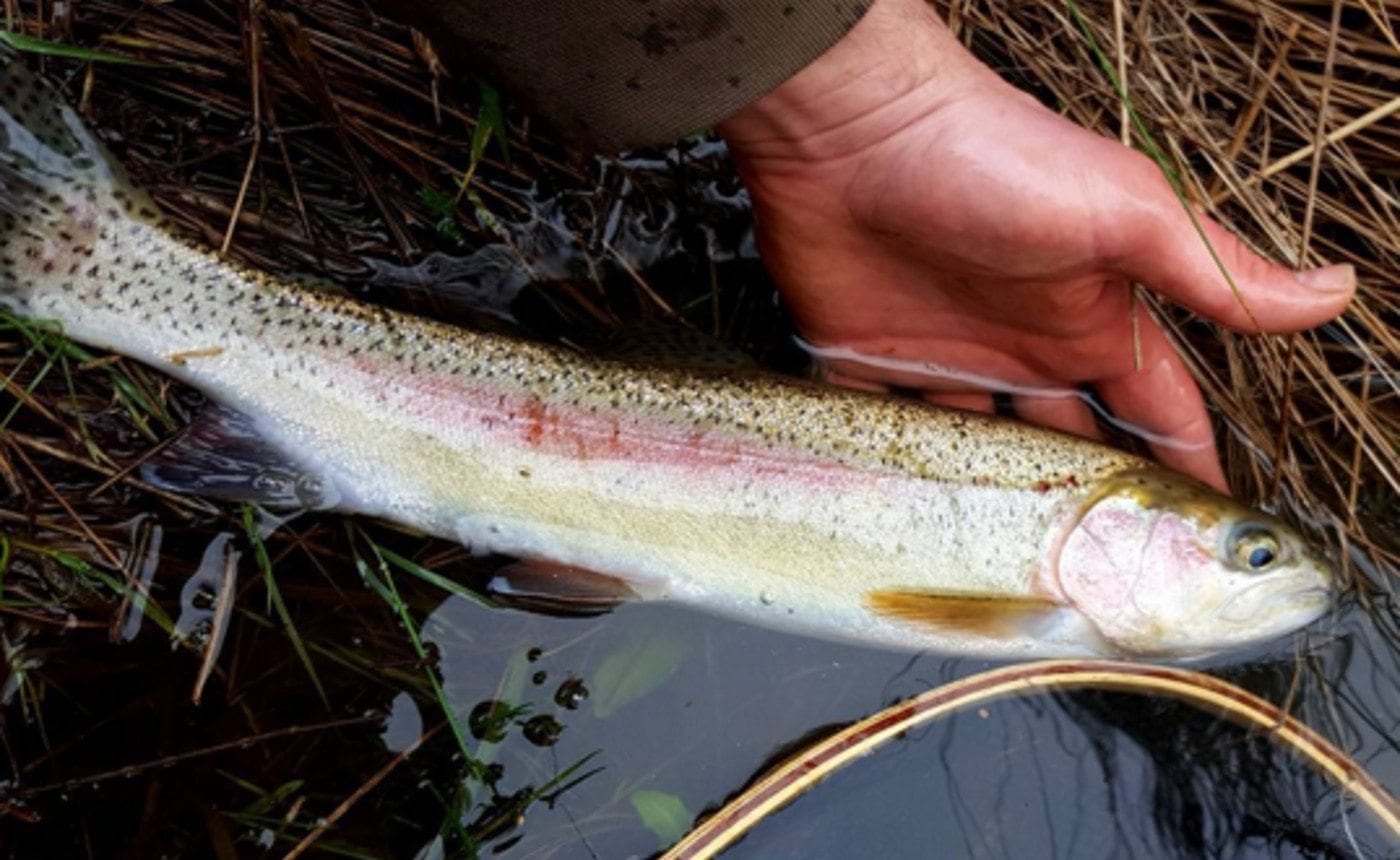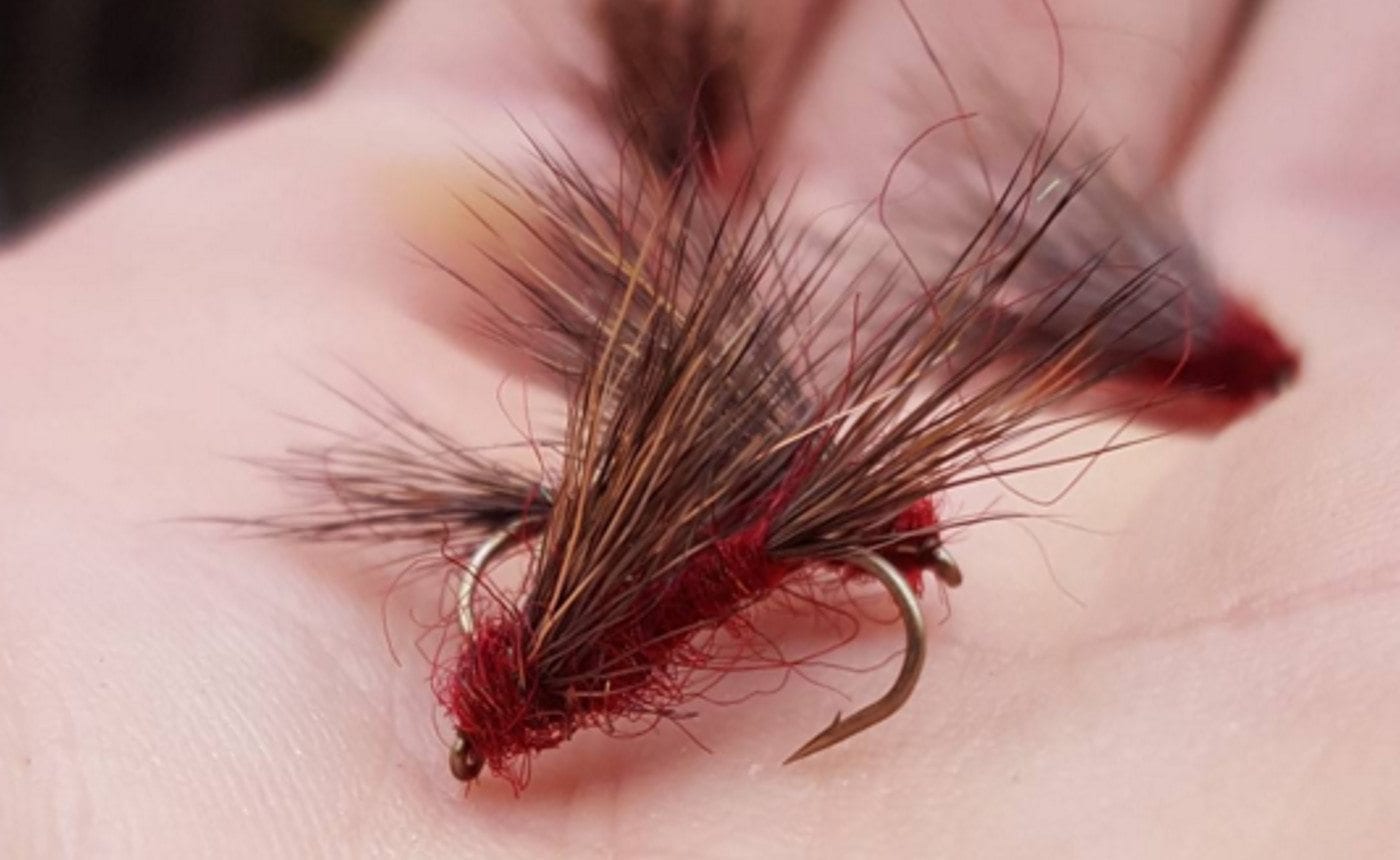
Caddis emerger, nymphs and wooly buggers – it sounds more like a fantasy novel than an outdoor hobby! Hamish from Flick and Fly Journal demystifies the curious sport of fly fishing, shedding some light on why its his favourite reason to get outdoors.
Why you should give fly fishing a go
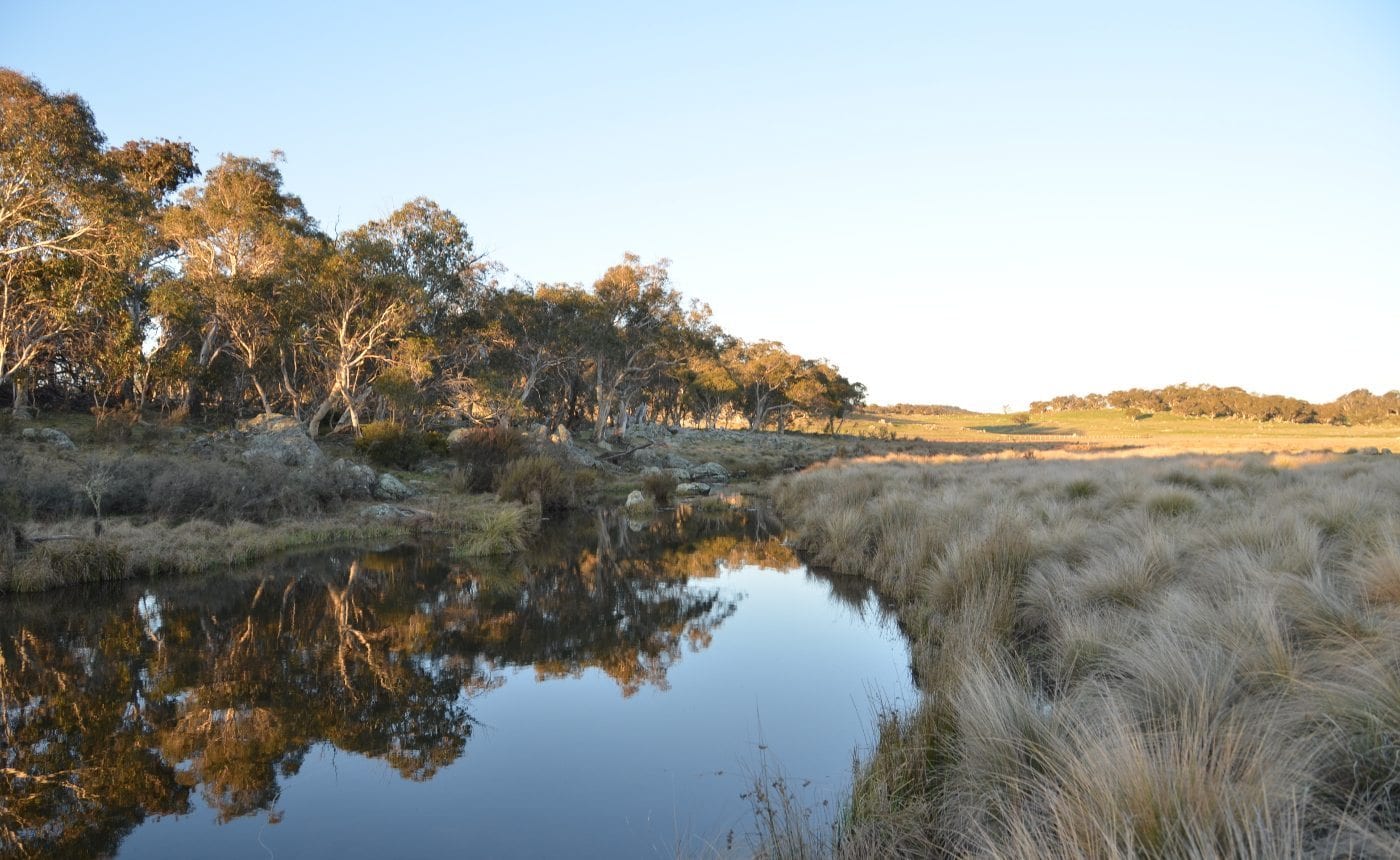
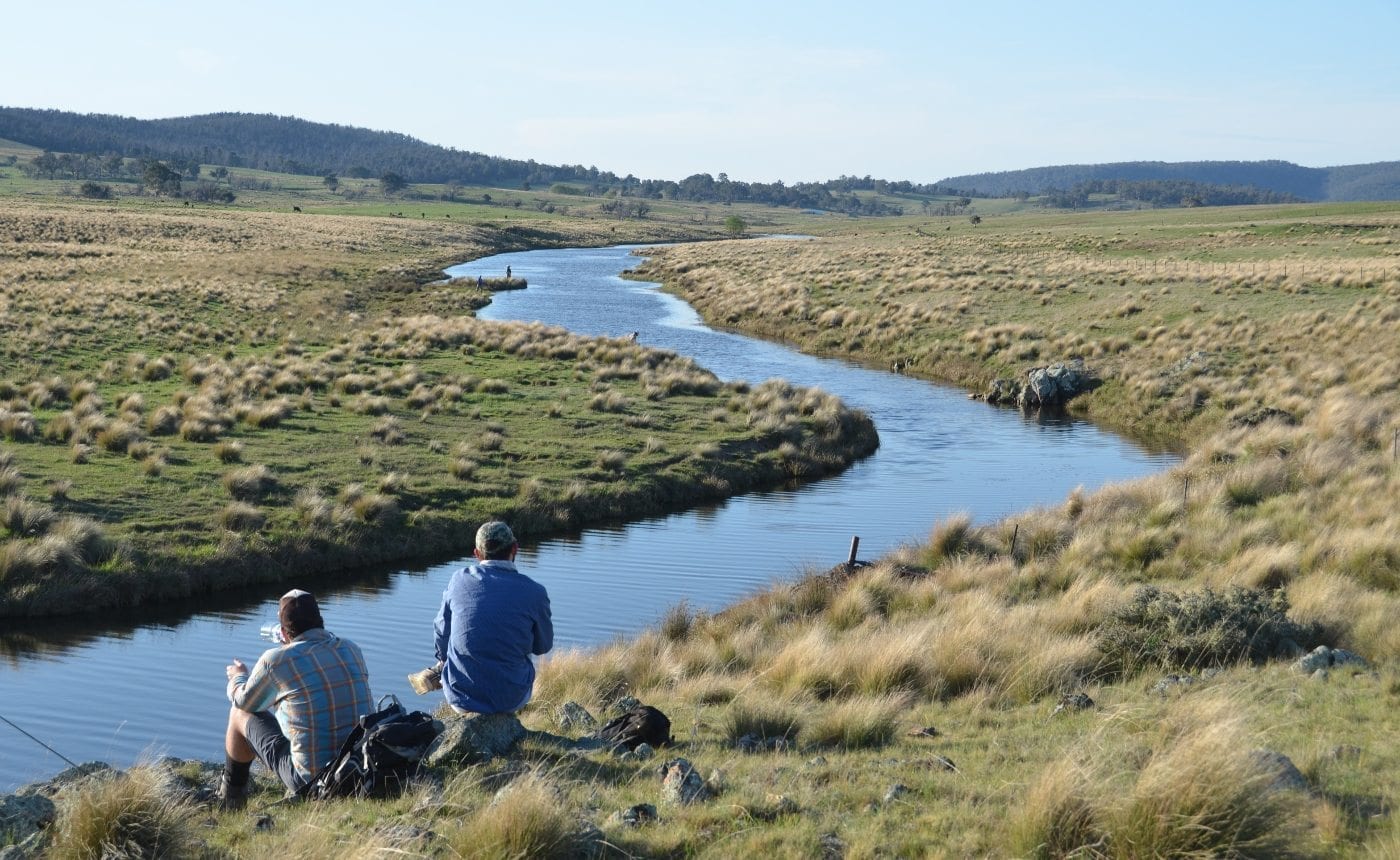
Spending time in the great outdoors is something I benefit from hugely, something I think most of us benefit from. Hence, I spend most of my spare time on the water with a fly rod, preferably somewhere wild and off the beaten track.
I love fly fishing, because for me, sometimes it can be hard to leave the hustle and bustle of the city and the work week behind even in the most gorgeous wild places – to really pay attention to what’s around me. Fly fishing forces me to pay attention. Forces me to let go of the week. To slow down. To stop. To relax. To let go.
In doing so I notice things I wouldn’t have noticed otherwise – insects popping off the water, the small, almost imperceptible swirl in the current that indicates a fish beneath the surface, a platypus sunning itself at the head of a pool, even just the sun coming in and out of the clouds and the effect this has on the birds and the insects. Noticing these things and feeling connected to the places I’m in, to me this is the essence of fly fishing. Being present. That’s what keeps me coming back. Fly fishing is just the tool that helps me get there.
That’s something that appeals to a lot of people I talk to about fly fishing – a perception that unlike other forms of fishing, fly fishing relies on connecting more deeply with the world around you. Knowing and tapping into the rhythms of nature, the rhythms that make insects make hatch and breed, and in the process, become fish food. It’s easy to see why that connection is appealing, especially in a world where we so often feel disconnected from nature.
I also hear “But it’s really hard isn’t it? That’s why I’ve never tried it”.
It’s not hard to see why people think that. Fly fishing, like many specialist pursuits can be complicated and comes with its own jargon that can be almost unintelligible to the uninitiated – “Use, 4X tippet, tie on an caddis emerger, cast on the edge of the seam, throw in a few mends, get a drag free drift” means a lot to a fly fisherman, but most likely means next to nothing to you.
Don’t let that turn you off though – you don’t need to know all that. Fly fishing doesn’t have to be hard or scary. Stripped down to the essentials and with a little bit of practise, fly fishing can be mastered by anyone. Here are some pointers for getting fly fishing in no time.
"Fly fishing forces me to pay attention. To let go of the week. To slow down. To stop. To relax."
Hamish Webb - fly fishermanGetting started with fly fishing
The easiest way to get a taste of fly fishing is to find a friend who fly fishes to take you out, or if you don’t have access to one of those, hire a fly fishing guide for a day. For a couple of beers or a few hundred dollars, you’ll get a casting lesson, spend time on the stream learning the basics and most likely catch a few fish. It’s a great way to start and will save you from some of the frustrations that come with learning from scratch without expert instruction.
If that’s not your vibe, the next best thing you can do is buy a Tenkara rod and a few flies. They’re relatively cheap and, compared to conventional fly fishing gear, far easier to use as a beginner. Tenkara is a fixed line fly fishing system, so there’s no reel, just a rod with 10-15 ft of line attached to the tip. With a rod small enough to fit in your day pack, some line and a few flies, you can be fishing and catching fish with minimal instruction. It’s the essence of simplicity and a hell of a lot of fun. As a starting point, there really isn’t much better.
Alternatively you can just jump right in with a fly rod and reel and go it alone! The internet can teach you everything you need to know – hunt out some Youtube videos on how to cast and do some googling on flies and techniques. Practise your casting at the local park and then hit the water. It takes a bit more time and will be a lot more frustrating, but it’s the way I learnt and is incredibly rewarding if you enjoy a challenge.
Knowing your flies
Dry flies: flies that float (royal wullfs, elk hair caddis, red spinner and parachute adams)
Nymphs: flies that sink and imitate aquatic insects (pheasant tail, small and black hare, copper nymphs)
Wooly buggers: flies that sink and imitate bigger prey
It’s time to go fishing!
There are lots of great little trout streams close to Melbourne (where I’m based). Gorgeous places to visit regardless of whether you decide to do a little fishing or not.
Day trips
A great place to start is the rivers around Marysville. All are great little trout streams and if you strike out on those the small lake in Marysville is stocked with rainbow trout every holidays and will usually produce a few fish. The fish aren’t big, but there are lots of them, which means that even as a beginner, you’re likely to catch a few. There are also some nice cafes and some glorious walks in the area. Stevenson falls and the various falls and cascades on the Taggerty river are worth the visit.
It’s a great place for a day trip, you can grab a coffee, have a few casts, catch a few fish and then go for a walk. Since becoming a dad 8 months ago, it’s a trip I’ve made with my partner and the bub a few times. I sneak off for a few casts while Ceri and the bub grab a coffee. We go for a walk and then head off home to Melbourne via one of the Yarra valley wineries for lunch. It really is a wonderful way to spend a day.
Other places that are well worth a visit are the streams and national parks close to Buxton and Nojee (Amphitheater Falls are a must see).
Overnight trips
If camping is more your style, there are some great camping spots within two hours from Melbourne that also happen to be right next to great little trout rivers – Cathedral Ranges National Park, Kendalls Campground, Upper Big River State Forest, and Toorongo Falls. All are great places to go camping with the family and also spend a little time fly fishing in-between walks and campfire cooking.
So if you’ve ever thought about trying your hand at a bit of fly fishing, get out there and give it a go. The trout season opens on the 1st of September, so this is the perfect weekend to get started!
You can read more from Hamish and the rest of the Flick and Fly crew on their website (flickandflyjournal.com) or follow their fishing adventures on Instagram (@flickandflyjournal).